President Ruto opens world’s largest black rhino sanctuary in Tsavo West
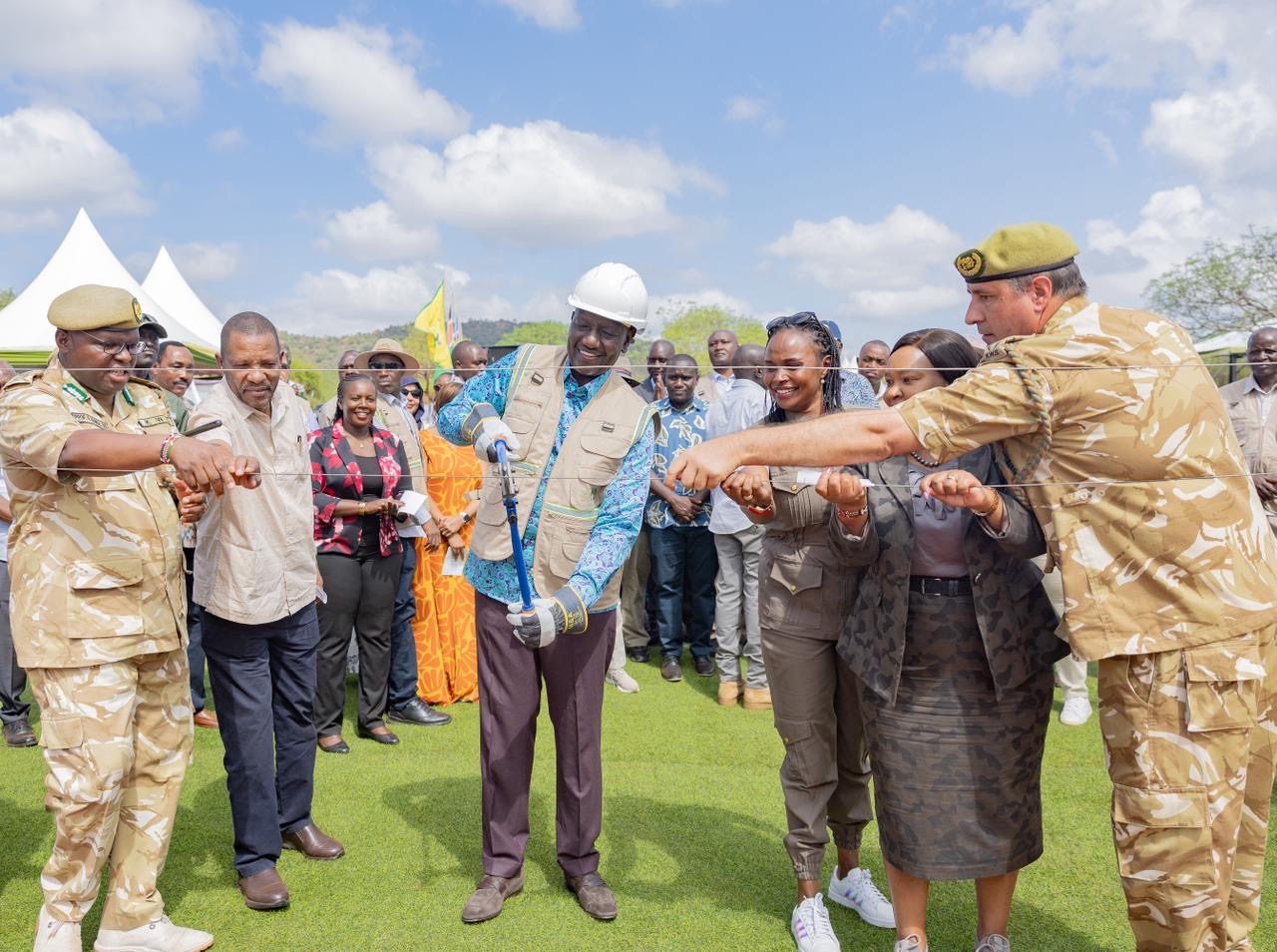
The sanctuary now forms the world’s biggest black rhino haven, with 200 rhinos consolidated into a single founder population.
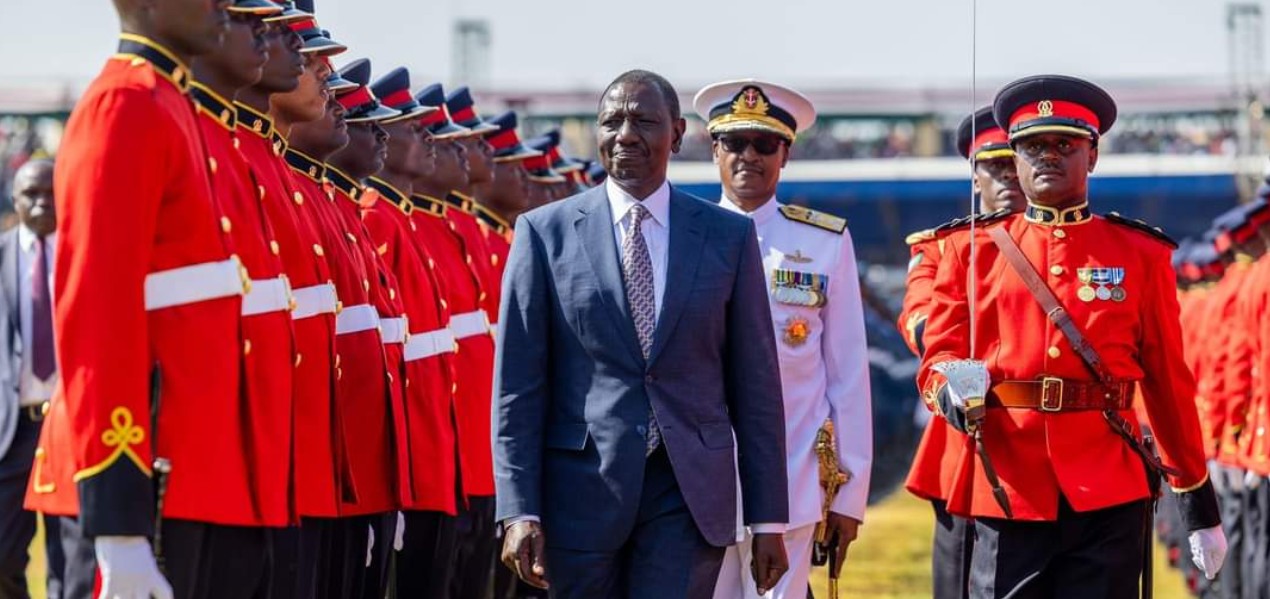
President William Ruto has opened the expanded Tsavo West Rhino Sanctuary in Taita Taveta County, bringing together Kenya’s largest collection of black rhinos in one protected area.
The sanctuary now forms the world’s biggest black rhino haven, with 200 rhinos consolidated into a single founder population.
More To Read
- KWS launches 15-day rhino ear-notching, tagging operation in Tsavo West
- Rare eastern black rhino calf born in Chyulu Hills, boosting critically endangered population
- Uganda holds rhino naming ceremony to boost conservation efforts
- Latest rhino count a mixed bag for world's five species
- Coastal towns face two-day water outage as Mzima pipeline shuts down for upgrade
- Kenya’s rhino boom signals major win for wildlife conservation as population grows by 31pc
The expanded protected area spans over 3,200 square kilometres and brings in 150 rhinos from Ngulia and another 50 from the Tsavo West intensive protection zone.
Ruto said the move marks a major step in securing the future of the species.
“Across Kenya, more than 80 per cent of our black rhinos live in overstocked sanctuaries, limiting our ability to grow our national herd. Today, we correct that mistake,” he said, stressing the importance of the new sanctuary for Kenya and the continent.
The expansion seeks to ease pressure on crowded sanctuaries like Ngulia, which covers only 92 square kilometres yet holds almost 150 rhinos—far more than it was meant to.
The dense population had caused fights over space, lower survival chances, and heavy ecological strain.
Ruto recalled that Tsavo once held more than 8,000 black rhinos in the 1970s before poaching, drought, and land pressure nearly wiped them out, reducing the number to fewer than 20 by 1989.
“The establishment of the Wildlife Service decades ago helped curb these threats, and today Kenya is restoring Tsavo as a continental stronghold for black rhinos,” he said.
To secure the sanctuary, the government has rolled out AI-powered cameras, drones, encrypted radio systems, patrol vehicles, and sent more than 300 security officers to the ground.
It has also put up 40 ranger houses, operational bases, upgraded 250 kilometres of fencing, and improved roads and water points.
Ruto noted that teams carried out the largest rhino monitoring and tagging effort so far.
“We conducted the largest rhino monitoring and tagging exercise ever undertaken. Ninety rhinos were safely immobilised, and 89 fitted with modern tracking devices and digital identifiers, allowing real-time monitoring of their movement, health, and security,” he said.
The project is also supporting surrounding communities by creating work in security, surveillance, construction, transport, fencing, and tourism-linked services.
Officials expect it to bring in more than $45 million (Sh5.2 billion) by 2030 and generate over 18,000 jobs.
“Conservation must work for the people. Communities are not spectators but active stakeholders in Kenya’s green future,” Ruto said.
With better management, more space, and enhanced security, Kenya aims to grow its black rhino population faster, from 5 per cent to 8 per cent each year.
The target is to have 1,450 rhinos by 2030 and 2,000 by 2037.
Kenya currently holds about 2,100 rhinos, made up of 1,060 black rhinos and 1,040 southern white rhinos, representing nearly 78 per cent of the world’s Eastern black rhino population.
Top Stories Today